

Article by Veronica Delaney, Fairfax County Public Schools Adult & Community Education
(Posted 2026 November)

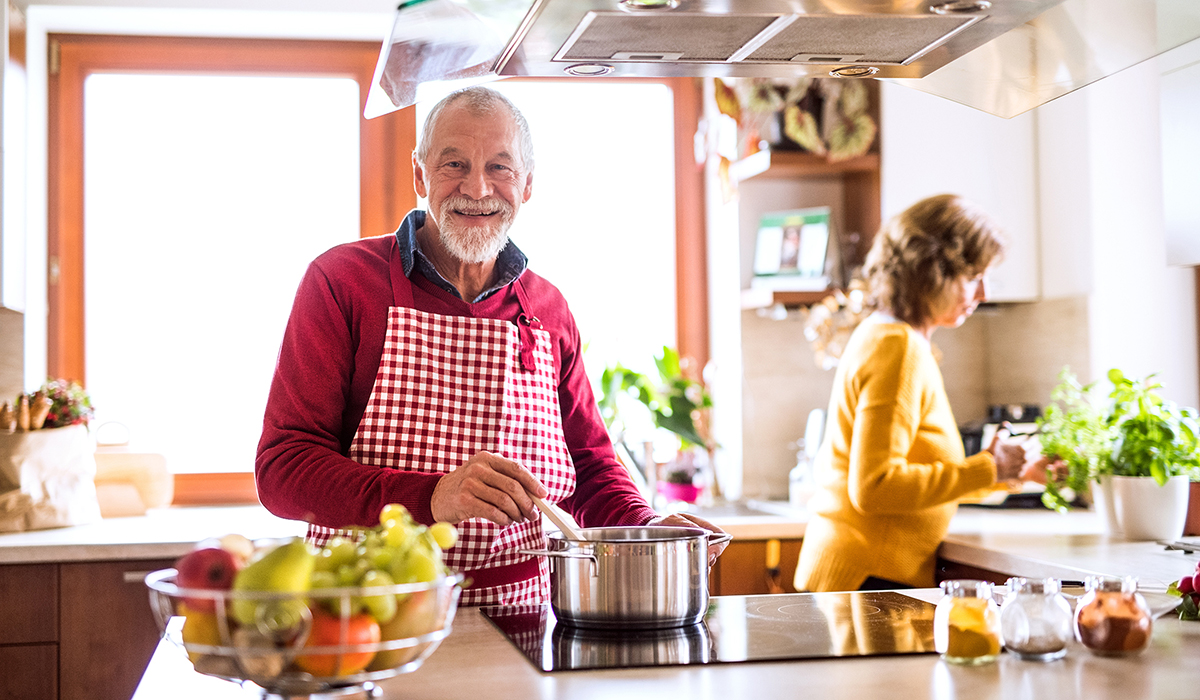
Cooking can be much more than preparing a meal. It can be a chance to slow down, focus on the present, engage the senses, and enjoy the creative process. Mindful Indian cooking brings this thoughtful approach into the kitchen while introducing the colorful ingredients, fragrant spices, and richly layered flavors of Indian cuisine.
Mindful cooking means giving your full attention to each step rather than rushing toward the finished dish. You might pause to notice the aroma released as cumin or coriander warms in a pan, observe the changing colors and textures of fresh ingredients, or taste a dish carefully before adjusting its seasoning. Indian cooking is especially well suited to this practice because flavors are often developed gradually by measuring, toasting, combining, and layering spices.
This approach can be particularly rewarding for older adults. Following a recipe one step at a time provides an enjoyable way to exercise attention, memory, and coordination while learning something new. The colors, aromas, textures, and flavors also make cooking a stimulating sensory experience. Because the emphasis is on awareness rather than speed, you can work at a comfortable pace and gain confidence as you master unfamiliar ingredients and techniques.
Indian cuisine also offers delicious ways to incorporate vegetables, lentils, beans, and whole grains, which have proven nutritional and health benefits. Recipes can often be adapted to suit your tastes, preferred spice levels, and dietary needs without sacrificing flavor. Learning how spices work together may even inspire you to rely less on salt, sugar, or heavy sauces when adding interest to a dish.
Just as important, mindful Indian cooking encourages curiosity, creativity, and connection. Preparing a meal can become a calming personal ritual or a meaningful activity to share with friends, children, or grandchildren. It also provides an inviting way to learn about Indian culture and culinary traditions through food.
FCPS Adult and Community Education offers several affordable classes, taught by a passionate culinary instructor specializing in the vibrant flavors of Indian cuisine. Whether you are an experienced cook or a complete beginner, the classes offer an opportunity to stay engaged, expand your kitchen skills, and rediscover the pleasure of preparing food with care. Each class wraps up with a shared tasting table — because good food is best enjoyed together. When you learn the secrets of Mindful Cooking, your reward is not only a flavorful meal, but a more satisfying experience from the first fragrant spice to the final shared bite. Explore ACE classes.
Khichadi - The Great Healer
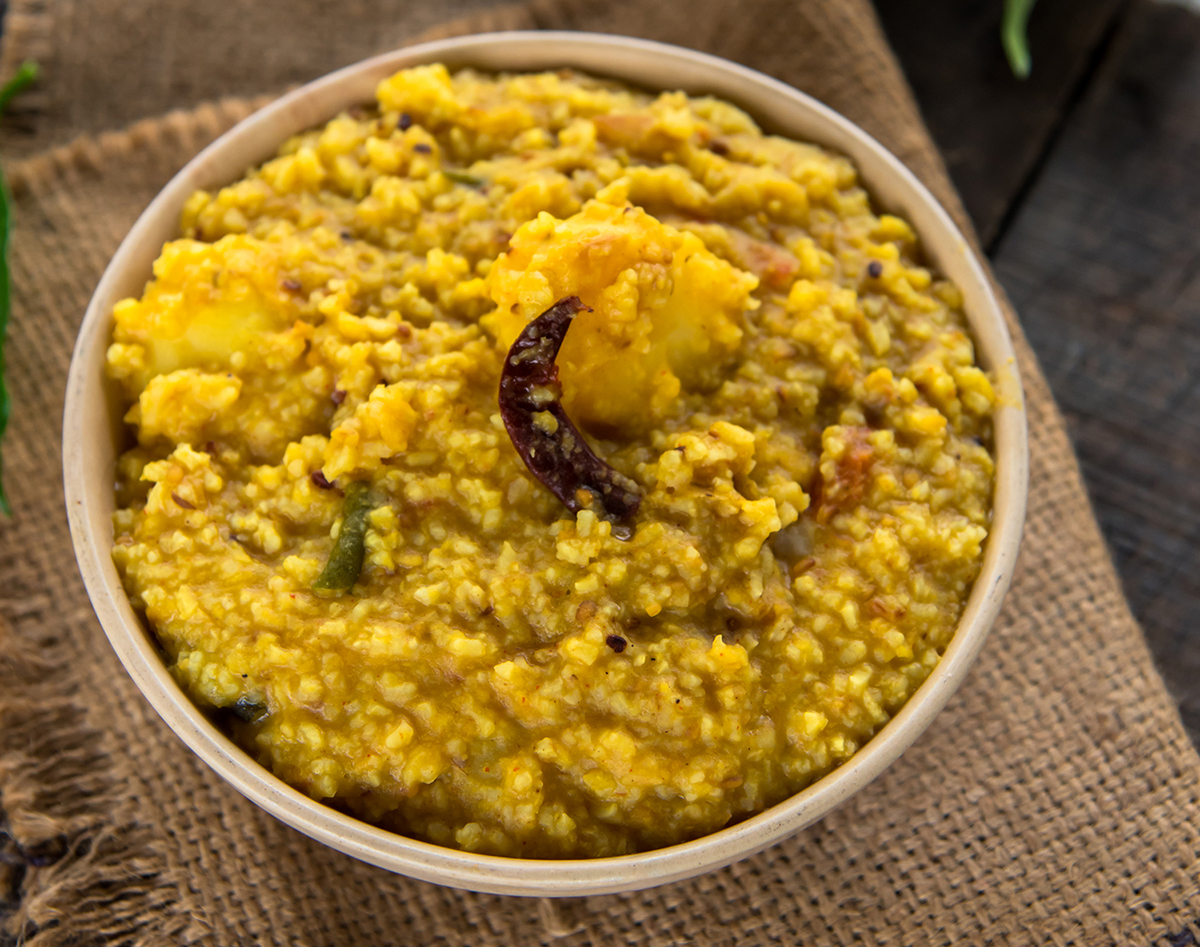
Rice and Lentils Simmered with Turmeric and Ghee
Khichadi is soulful— the comforting Indian dish you turn to in every season of life: in illness and in between; on rain-soaked monsoon evenings and quiet winter mornings. A humble union of rice, yellow moong dal (split yellow lentils), turmeric, and a finishing dollop of ghee, khichadi is the original one-pot wonder — simple to make and deeply nourishing at its core. Rooted in mindful cooking, seasonal ingredients, and healing spices, it brings together warmth, wellness, and community through food that nurtures well-being.
“A good khichadi asks for nothing but patience and good ghee. Do not rush the simmer – that is where the comfort lives.”
-Archana Balasaria
Serves 2
Ingredients
- ½ cup small-grain rice
- ½ cup yellow moong dal (split)
- 2 Tbsp ghee
- 1/2 tsp cumin seeds
- 1/2 tsp mustard seeds
- ½ tsp turmeric powder
- 3½ cups water (Used to adjust the consistency of khichadi, not too runny or not too thick.)
- Salt to taste
- Pinch of crushed cardamom and clove (optional)
- 1 sprig of curry leaves (recommended)
Method
- Rinse rice and moong dal together in cold water until the water runs nearly clear. Soak for 15-20 minutes, then drain.
- In a heavy pot, warm the ghee over medium heat. Add cumin and mustard seeds and curry leaves and let them splutter (not for very long).
- Add the drained rice and dal. Stir for one minute to coat in ghee, then add turmeric and salt to taste.
- Pour in the water. Bring to a boil, then reduce heat. Cover and simmer 20 minutes until soft and mushy porridge-like. Stir occasionally to prevent sticking to the bottom.
- Remove the lid carefully. Give the khichadi a gentle stir. If it looks too thick, add a bit of hot water.
- Finally, add a drizzle or dollop of ghee. Serve hot, scattered with fresh cilantro (optional). Enjoy with plain yoghurt and Indian Pickle on the side.
This recipe reprinted with permission from Archana Balasaria, a passionate culinary instructor specializing in the vibrant flavors of Indian cuisine, teaching hands-on cooking classes through Fairfax County Public Schools' ACE program. Born and raised in India, she brings a lifetime of kitchen memories to each class. Her classes center on mindful Indian cooking, from crispy chaat to fragrant curries, guiding students step by step and turning hesitation into confidence. Her philosophy is simple: everyone deserves to feel at home in the kitchen, no matter their background or experience.
This article is part of the Golden Gazette monthly newsletter which covers a variety of topics and community news concerning older adults and caregivers in Fairfax County. Are you new to the Golden Gazette? Don’t miss out on future newsletters! Subscribe to get the electronic or free printed version mailed to you. Have a suggestion for a topic? Share it in an email or call 703-324-GOLD (4653).